
Setting the Stage for a Flawless Paint Job
Painting can transform any space, making it look fresh and new. However, to achieve a lasting finish, preparing damaged wood surfaces is crucial. This preparation ensures paint adheres properly and looks good over time. By addressing surface imperfections before painting, you enhance the durability and appearance of the painted area. This guide will walk you through essential steps to get your wood surfaces ready for painting success.
Why Proper Preparation Matters
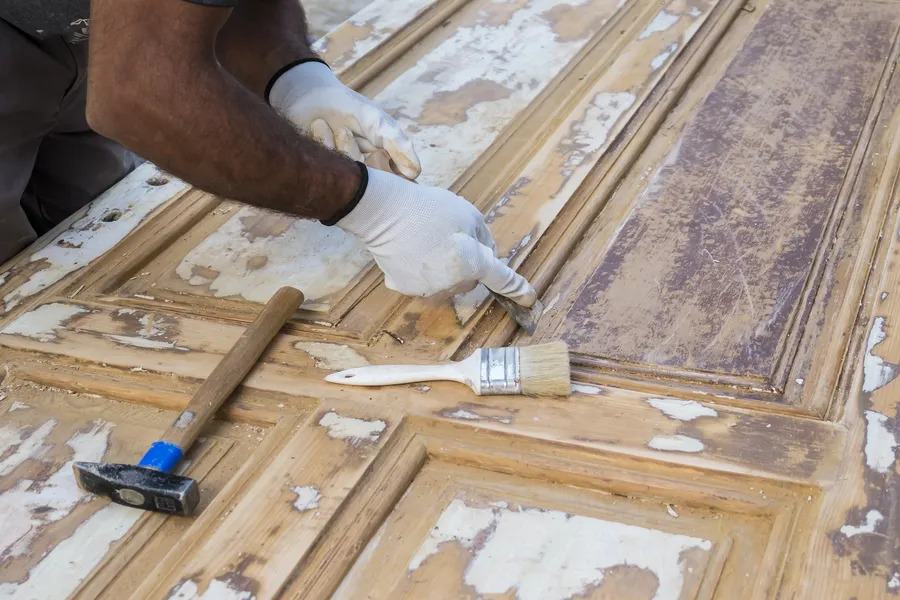
Properly preparing wood surfaces before painting is important for several reasons. First, it helps paint adhere better, reducing the chance of peeling or chipping later. It also makes sure that the final coat is even and smooth, enhancing the overall aesthetics. Finally, by taking care of issues like cracks or rotten sections early on, you prevent further damage that could require costly repairs in the future.
Tackling Common Wood Surface Issues
Before diving into painting, it’s important to address common wood problems. Some frequent issues include cracks, holes, and rotting wood sections. Repairing these problems not only improves the paint job but also extends the life of the wood itself. Wood repair techniques vary based on the type of damage, so assessing each area thoroughly is key.
Understanding the Importance of Wood Repair
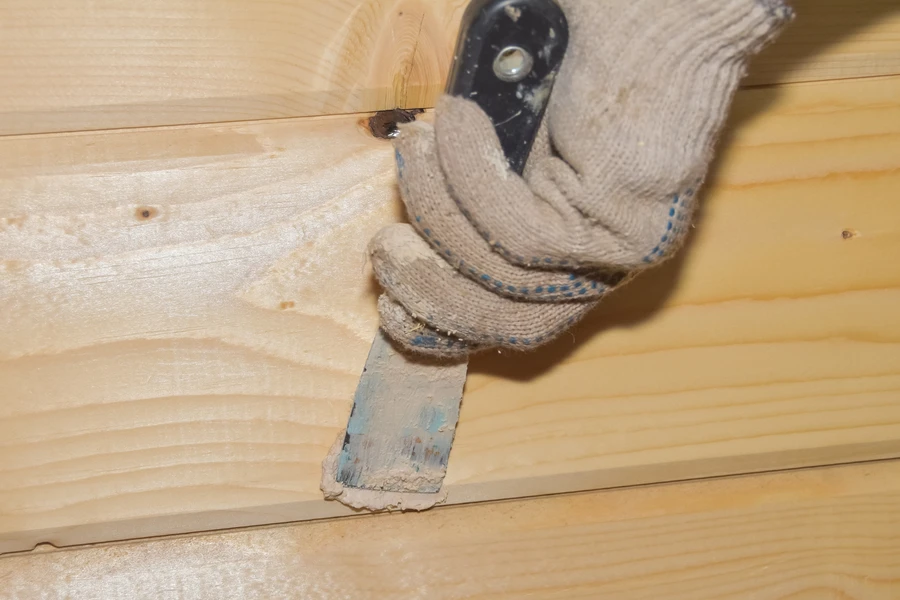
Wood repair is a critical step in preparing surfaces for painting. It involves fixing any structural weaknesses that might compromise the stability of your project. By reinforcing weak spots, you ensure that both the wood and the paint last longer. This process may involve filling holes with putty or replacing severely damaged areas entirely.
Essential Tools for Wood Surface Preparation
Having the right tools can make all the difference in preparing your wood surfaces for painting. Basic items you’ll need include sandpaper, scrapers, putty knives, and fillers like epoxy or wood putty. These tools help smooth out rough spots and fill imperfections effectively. Using high-quality materials ensures that repairs are durable and long-lasting.
Step-by-Step Guide to Preparing Damaged Wood Surfaces
- Inspect: Examine all surfaces for any signs of damage such as rot, cracks, or holes.
- Clean: Remove dirt, dust, and debris using a brush or vacuum cleaner.
- Repair: Use appropriate wood repair methods to fix identified issues.
- Sand: Smooth out repaired areas with sandpaper for an even surface.
- Prime: Apply a suitable primer to prepare the surface for painting.
Avoiding Common Pitfalls in Wood Preparation
One of the biggest mistakes is skipping sanding after repairs, which can lead to uneven paint application. Another pitfall is neglecting to prime the surface before painting; this step is vital for paint adhesion. Finally, rushing through repairs or using low-quality fillers can result in a subpar finish that doesn’t hold up well over time.
Expert Tips for Long-Lasting Results
- Always use quality materials for repairs.
- Ensure surfaces are completely dry before painting.
- Work in suitable weather conditions to avoid problems related to humidity or temperature.
- Allow sufficient drying time between each step.
The Value of Hiring Professionals
If handling wood repair feels daunting, hiring professionals might be worth considering. Experts have the experience needed to deal with complex repairs efficiently. They also bring specialized tools and techniques that guarantee high-quality results while saving you time and effort.
Achieving Painting Success With Proper Preparation
Ensuring your wooden surfaces are well-prepared sets the stage for a successful painting project. At Suarez Painting LLC, we understand how important this process is in achieving a flawless finish. Located in Douglasville, GA, our team provides expert assistance tailored to your needs. Call us today at (404) 868-8643 to learn more about our comprehensive services and how we can help you transform your space with confidence.